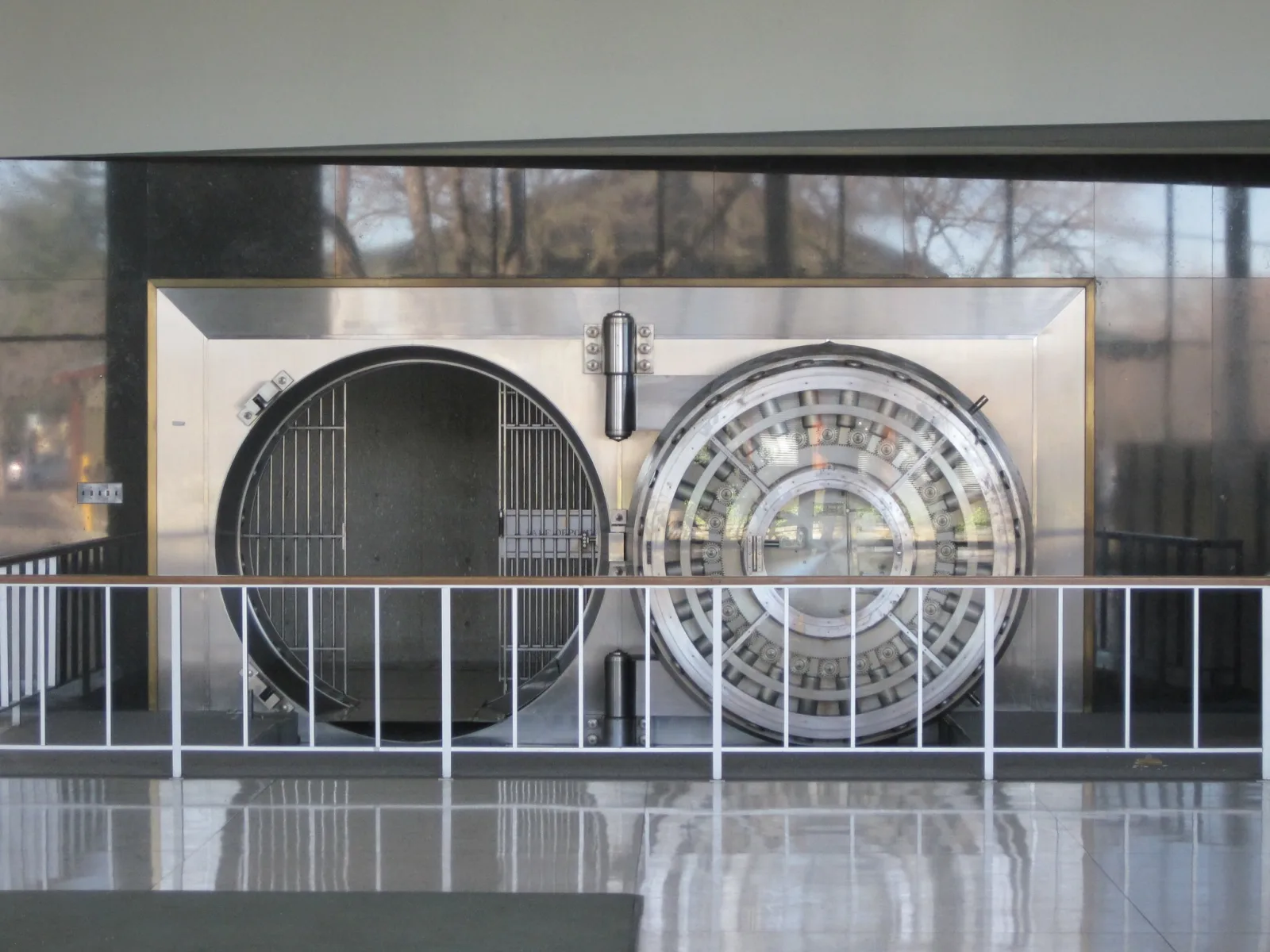
Will Your Books Survive a Raise?

A five-part guide to diligence-readiness — the order investors actually work through your financials, why revenue recognition breaks most SaaS diligence, where the MRR/ARR waterfall reveals the gap between your deck and your books, how accruals and cutoff determine whether your margin is real, and what it takes to stay diligence-grade every month rather than scrambling for it before a raise.

  • What an Investor Opens First (And Why the Order Matters)

    Part 1

    What an Investor Opens First (And Why the Order Matters)

    Key takeaways When a VC’s analyst sits down with your financials, they’re not reading a story. They’re running a test. They know what breaks first in startup books, what’s most likely to hide surprises, and in what order to look. If you understand that order — and build to it — diligence becomes a confirmation…

    Read part →

  • Revenue Recognition Breaks SaaS Diligence (Here’s the Fix)

    Part 2

    Revenue Recognition Breaks SaaS Diligence (Here’s the Fix)

    Key takeaways Step two in the diligence order — the revenue schedule — is where most SaaS diligence slows down or stops. The reason is almost always the same: the company recognized revenue when it received cash, not when it earned it. Under GAAP, those are different things. And when an investor’s accounting team arrives…

    Read part →

  • The MRR/ARR Waterfall: Why Your Deck Number and Your Books Number Are Different

    Part 3

    The MRR/ARR Waterfall: Why Your Deck Number and Your Books Number Are Different

    Key takeaways Your ARR figure is the first number a new investor encounters — it’s in the pitch, the update, the board deck. The question that gets asked in diligence isn’t whether you know the number. It’s whether the number is real. And “real” means something specific: it means the figure can be traced from…

    Read part →

  • Accruals and Cutoff: Where “Done” Books Leak

    Part 4

    Accruals and Cutoff: Where “Done” Books Leak

    Key takeaways Clean books don’t automatically mean accurate books. A company can reconcile its bank accounts, apply correct revenue recognition, and still show investors a materially different business once they convert the P&L from cash to accrual. The difference shows up at the expense line — and it comes down to timing. Cash-basis accounting records…

    Read part →

  • Getting (and Staying) Diligence-Grade

    Part 5

    Getting (and Staying) Diligence-Grade

    Key takeaways The hardest way to survive diligence is to clean up your books after a term sheet lands. The companies that close fastest aren’t the ones with the best accountants on call in October. They’re the ones that built a system in January and ran it every month — so that when an investor’s…

    Read part →

Ready for Financial Clarity™?

Book a 30-minute discovery call. Tell us your situation, we’ll be honest about fit, and you get a custom proposal in 48 hours.